
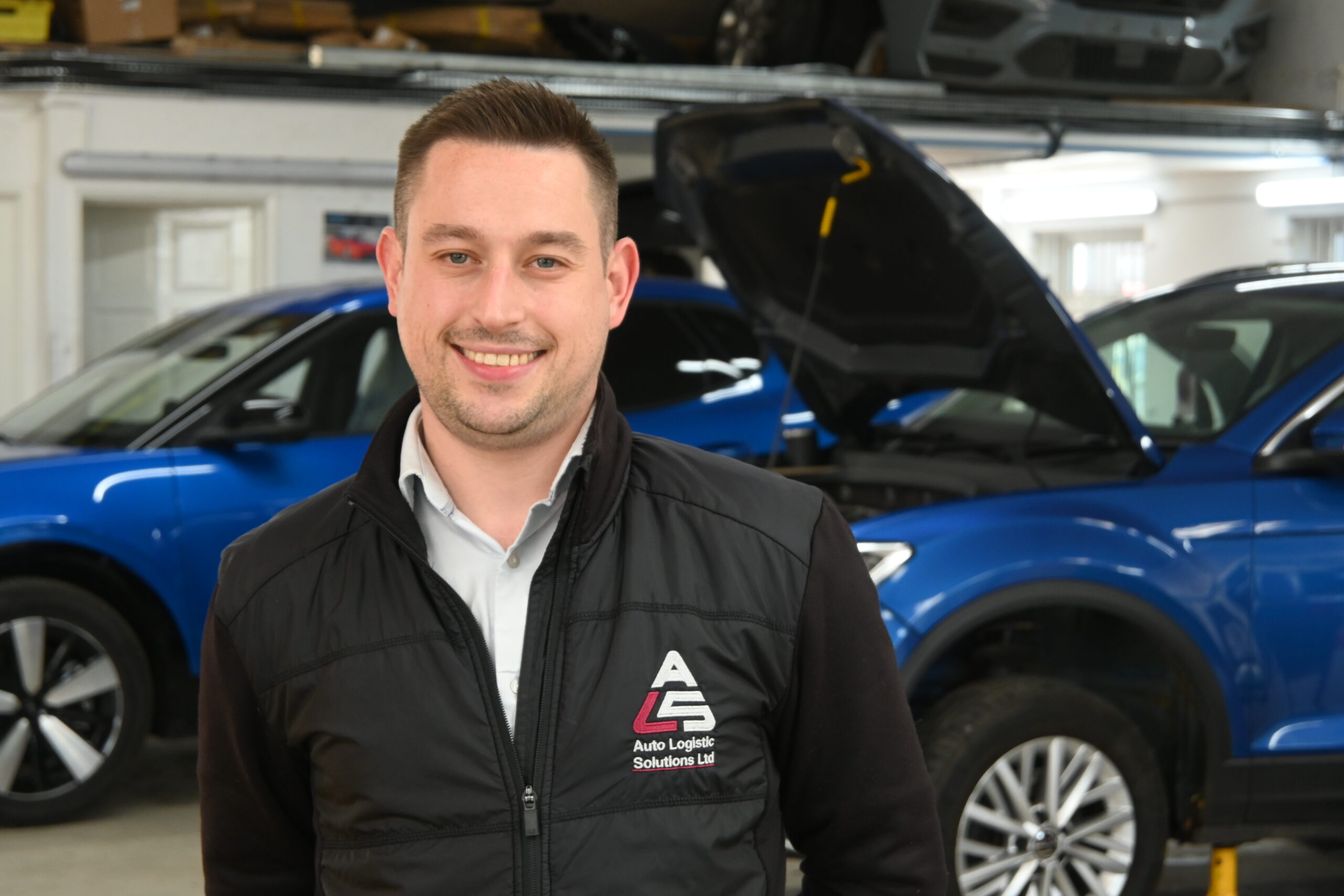
Dan Harris, commercial director of Auto Logistic Solutions, asks why more bodyshops don't use accident management services as part of their growth strategy.
Every day, somewhere in the UK, a driver is involved in an accident that wasn’t their fault. Within minutes, most do what years of insurance advertising have taught them to do: call their insurer.
It seems like the obvious thing to do. But for independent bodyshops, that phone call can also mean losing control of the customer relationship, working to squeezed labour rates and accepting increasingly tight repair times. There is another way – and it starts with helping motorists understand their options.
The industry's biggest misconception
Many motorists believe they are legally obliged to contact their insurer after a non-fault accident. They aren’t.
Broadly, drivers have four options: claim through their own insurer; deal directly with the at-fault driver; contact the at-fault driver’s insurer; or use a specialist accident management company.
The first is the most familiar route, but depending on the policy, the customer may have to pay an excess initially and the incident will be recorded on their insurance history. Contacting the at-fault insurer is increasingly common, but the insurer funding the repair also has a commercial interest in controlling costs. Customers may be directed towards approved repair networks operating on lower labour rates and demanding repair schedules.
The fourth option, using a specialist accident management company, is one more independent bodyshops should understand.
Taking back control
Independent repairers invest heavily in equipment, training, calibration and manufacturer-approved repair methods. Yet after a non-fault accident, many effectively hand control of the repair to an insurer. Bodyshops are in a strong position to change that.
When a customer arrives following a non-fault accident, repairers can explain that they have a choice and that specialist accident management is a legitimate route. After all, insurers themselves use these services to process claims, so why not go direct?
The benefits include greater control over the customer relationship, independent vehicle assessment and repair rates that better reflect the work involved. Moreover, reduced dependence on insurer-controlled networks and a better customer experience make this option increasingly attractive to independents. In a genuine non-fault case, the client avoids paying an excess, their no claims status remains untarnished and, most importantly, it creates an opportunity to build customer loyalty
This isn’t about bypassing insurers for the sake of it. It’s about ensuring skilled repairers are properly rewarded for carrying out repairs to the required standard, while removing much of the hassle for the customer.
Breaking the race to the bottom
Most bodyshops understand the pressures. Labour rates are squeezed, repair times are compressed and jobs that might once have taken three or four days are expected to be completed in two.
Yet independent businesses have invested heavily in facilities, equipment and skilled technicians. They cannot afford to operate indefinitely on margins that don’t reflect those costs.
Specialist accident management providers can help change the commercial dynamic by negotiating repair costs in line with recognised industry standards and Association of Bodyshop Professionals (ABP) guidance.
The objective isn’t to inflate invoices. It’s to ensure repairers receive fair commercial rates for the work actually required to return a vehicle to its pre-accident condition.
Cashflow matters
For many independent workshops, the problem isn’t simply the labour rate. It’s the time spent waiting for repair authority, claims approval and payment.
A specialist accident management partner can make a significant difference here. At ALS authorisation is typically secured within 48 hours, while repair invoices are generally settled within 24 hours of completion.
In a world where cashflow is increasingly important, faster payment means less time chasing money and more time concentrating on repairs.
Customers benefit too
The commercial argument shouldn’t obscure the customer benefits. A professionally managed non-fault claim provides a single point of contact, regular communication while the vehicle is repaired, access to an appropriate replacement vehicle and support where a vehicle is considered a total loss.
Our Trustpilot rating of ‘Excellent’, based on real customer reviews, demonstrates that drivers value a higher level of service based on their experience with ALS.
In genuine non-fault cases, costs are recovered from the at-fault driver’s insurer, meaning customers don’t have to fund an excess and their no-claims discount remains unaffected, subject to the circumstances of the claim and their policy terms.
Why aren't more bodyshops doing it?
Perhaps the biggest barrier is familiarity. Motorists have been conditioned to believe that their insurer is the first – and sometimes only – organisation they should contact after an accident.
Independent garages can challenge that assumption by making customers aware of their options. Professional accident management is an established model, operating within legal and regulatory frameworks. Providers such as ALS are FCA regulated and have decades of experience managing non-fault claims for motorists and repairers.
For independent bodyshops facing rising costs, pressure on margins and continuing skills shortages, the question is therefore worth asking: how much profitable work is being left on the table simply because customers don’t know they have a choice?
We are actively supporting independent garages and bodyshops with educational videos, point-of-sale material and explanatory leaflets, helping drivers understand their rights and make informed choices following a non-fault accident.
Educating motorists about their options could be a relatively simple way for independent repairers to protect margins, improve cash flow and, importantly, build stronger relationships with their customers.
